Blog
Pakistan’s Bridal Boom: Why Wedding Dresses Cost So Much
Sep
Pakistan’s Bridal Wear Industry: A Booming Market Navigating High Costs in 2025
Pakistan’s bridal wear industry is experiencing significant growth in 2025, driven by increasing demand and evolving fashion trends. However, the sector faces challenges related to high production costs and fluctuating market dynamics. This analysis explores the current state of the industry, examining its size, key drivers, and the factors contributing to the high prices of bridal attire.
Market Size and Growth Projections
Precise figures on the total market size of Pakistan’s bridal wear industry in 2025 remain elusive due to a lack of comprehensive, publicly available data. Industry experts, however, suggest a substantial and rapidly growing market fueled by a large population and strong cultural emphasis on lavish weddings. Estimates vary widely, hampered by informal sector operations, but the consensus points to significant revenue generation, particularly in major urban centers like Karachi, Lahore, and Islamabad. This growth is expected to continue, albeit at a potentially moderated pace, as economic conditions evolve.
Challenges in Data Acquisition
The lack of comprehensive data reflects broader challenges in tracking Pakistan’s informal economy. Many bridal designers and tailors operate outside formal business structures, making data collection and analysis difficult. This makes accurate market sizing challenging and highlights a need for improved data collection methods within the industry. The government could play a vital role in addressing this deficiency through initiatives aimed at formalizing the sector and encouraging better record-keeping.
Key Drivers of Market Growth
Several factors contribute to the flourishing bridal wear market in Pakistan in 2025. Firstly, the country’s sizable population, with a high percentage of young adults entering marriage age, significantly fuels demand. Secondly, the cultural importance placed on weddings, often elaborate and expensive affairs, drives significant spending on bridal attire. This emphasis on extravagance is deeply ingrained in societal norms and family traditions. Thirdly, the rising influence of social media and fashion trends fuels demand for increasingly elaborate and designer outfits.
The Role of Social Media and Fashion Trends
Social media platforms like Instagram and Facebook are powerful influencers, showcasing the latest designs and trends. This visibility fosters demand, particularly among younger brides seeking fashionable and unique attire. Furthermore, the rise of celebrity endorsements and fashion shows adds to the allure and perceived value of high-end bridal wear, increasing overall market demand. This online visibility drives competition, leading to continuous innovation in design and production.
Factors Contributing to High Prices
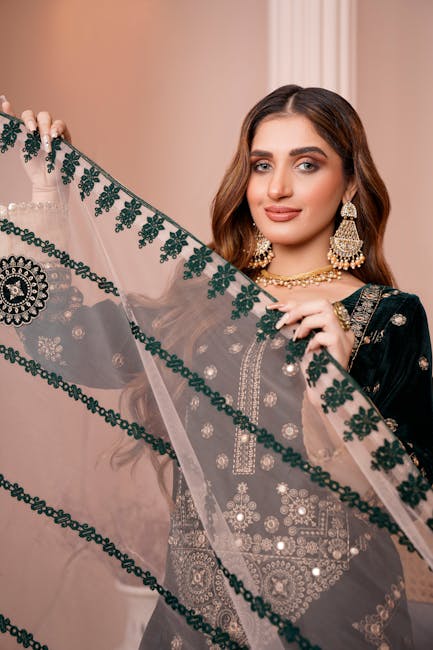
The high cost of bridal dresses in Pakistan in 2025 is a multifaceted issue stemming from several interrelated factors. Firstly, the cost of raw materials, particularly imported fabrics and embellishments, contributes significantly to higher prices. Fluctuating exchange rates and global supply chain disruptions add to this unpredictability. Secondly, the significant labor involved in intricate hand-embroidery and other embellishments adds to the final cost. Skilled artisans are highly sought after, and their expertise translates into higher pricing. Finally, the high markups implemented by retailers and designers also play a substantial role in increasing the overall cost.
The Impact of Raw Material Costs and Labor
The dependence on imported materials leaves the industry vulnerable to global price fluctuations and supply chain disruptions. This necessitates strategic planning and diversification of supply sources for businesses to mitigate these risks. Similarly, the high skill level required for traditional embellishment techniques contributes to higher labor costs, ultimately impacting final retail prices. Government support for vocational training and skill development could help address this issue in the long term.
Industry Structure and Challenges
Pakistan’s bridal wear industry is characterized by a diverse range of players, ranging from individual designers and tailors to large-scale manufacturing units and retail outlets. While this diversity offers a variety of choices for consumers, it also presents challenges related to quality control, standardization, and fair pricing. The prevalence of informal businesses makes regulation and oversight difficult, further exacerbating these challenges. Competition is intense, particularly in the high-end market, driving innovation but also potentially squeezing profit margins for smaller operators.
The Informal Sector and Regulation
The significant presence of informal businesses within the industry makes it difficult to accurately gauge the market’s size and assess its overall health. Governmental support in formalizing the sector, providing training and access to financial resources could help improve industry standards and ensure greater transparency. This, in turn, could lead to more stable growth and improved consumer protection.
Future Outlook and Implications
The future of Pakistan’s bridal wear industry in 2025 looks promising, but several challenges must be addressed. Sustained growth will hinge on the ability of businesses to adapt to changing consumer preferences, manage rising costs, and enhance operational efficiency. Technological advancements, such as e-commerce platforms and digital marketing, can play a significant role in expanding market reach and improving business operations. Government policies supporting the sector, coupled with initiatives to formalize the industry and promote skill development, will be critical to its continued growth and sustainability.
- Key Takeaways for 2025:
* Significant but unquantified market growth, driven by cultural factors and population demographics.
* High prices due to raw material costs, skilled labor, and markups.
* Lack of comprehensive data hinders accurate market assessment.
* Strong reliance on informal sector presents regulatory and oversight challenges.
* Future success hinges on adaptability, technological integration, and government support.
The bridal wear industry in Pakistan holds immense potential for economic growth and job creation. However, realizing this potential requires addressing the current challenges through a multifaceted approach involving industry stakeholders, government agencies, and educational institutions. The path forward requires a collaborative effort to foster sustainable growth, ensuring the industry’s long-term prosperity and contribution to the national economy.
