
Blog
Pakistani Stars’ Eid Feast: Meat & Designer Style
Aug
Pakistani Celebrities’ Eid al-Adha Celebrations Highlight Shifting Cultural Dynamics in 2025
Pakistani celebrities’ lavish Eid al-Adha celebrations in 2025, widely documented on social media, offer a glimpse into evolving cultural trends and the nation’s increasingly complex relationship with tradition and modernity. The festivities, marked by extravagant meals featuring traditional dishes alongside designer clothing, reflect a growing disparity between the affluent elite and the broader population struggling with economic hardship. This contrast has sparked considerable online debate.
The Opulence of Eid Celebrations: A Public Display of Wealth
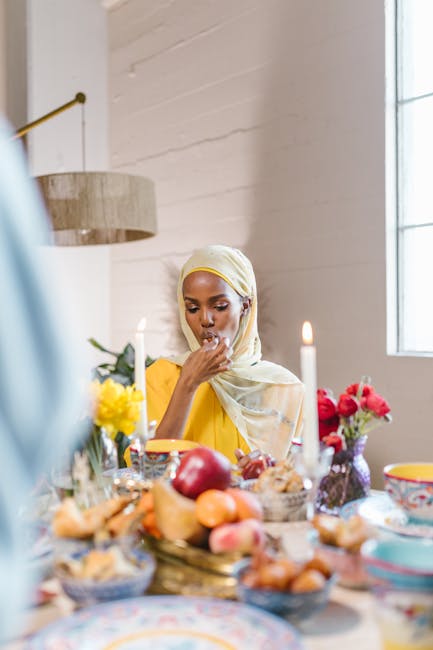
Social media platforms buzzed with images and videos showcasing the opulent Eid celebrations of prominent Pakistani celebrities in 2025. Many shared pictures of elaborate feasts, featuring traditional dishes like biryani and qorma, often prepared by renowned chefs. These feasts were complemented by displays of designer clothing and jewelry, highlighting the intersection of traditional celebrations and modern consumerism within the celebrity culture. The sheer scale of these celebrations underscores the increasing commercialization of religious festivals in the country.
Celebrity Influence and Consumerism
The influence of these celebrities extends beyond their immediate fan base. Their choices in clothing, cuisine, and overall lifestyle significantly impact consumer trends, driving demand for luxury goods and services. This influence has profound economic consequences, shaping market dynamics and potentially exacerbating socioeconomic inequalities. The high visibility of these celebrations contributes to a culture of conspicuous consumption, raising questions about social responsibility and the potential for a backlash.
The Economic Disparity: A Stark Contrast to Everyday Realities
In stark contrast to the extravagant displays of wealth by celebrities, many ordinary Pakistanis faced economic hardship during Eid al-Adha in 2025. The rising cost of living, coupled with persistent inflation, made it challenging for many families to afford even basic necessities, let alone the lavish feasts and new clothes often associated with the holiday. This economic disparity is a significant social concern, potentially leading to increased social unrest and political instability. The government’s attempts to address the economic crisis have so far yielded mixed results.
Economic Indicators and Social Impact
- Inflation rate in Pakistan reached a high of 28% in June 2025, impacting the purchasing power of average citizens significantly.
- Unemployment rates remain stubbornly high, exacerbating existing socioeconomic inequalities.
- The disparity between the wealthy elite and the struggling masses continues to widen.
- Social media became a focal point for expressing frustrations about economic hardship.
Tradition Versus Modernity: A Navigational Challenge for Pakistani Society
The celebrations also highlight the ongoing negotiation between traditional religious practices and modern consumerist trends within Pakistani society in 2025. While the core values of Eid al-Adha remain central, the way these values are expressed has evolved considerably, reflecting a complex interplay of cultural influences and socioeconomic factors. This tension is evident in the juxtaposition of traditional food preparations alongside high-fashion attire.
Cultural Hybridity and Shifting Norms
This cultural hybridity is not unique to Pakistan; it’s a global phenomenon. However, the specific way in which tradition and modernity interact within the Pakistani context is shaped by its unique history, cultural values, and economic realities. The influence of social media further complicates this dynamic, creating a space where both traditional and modern expressions of Eid are readily visible. The evolving relationship between tradition and modernity has resulted in varied and nuanced responses.
The Role of Social Media: Amplifying Voices and Shaping Narratives
Social media played a pivotal role in shaping public perception of the 2025 Eid al-Adha celebrations. Celebrities used platforms like Instagram and X (formerly Twitter) to extensively document their festivities, fueling both admiration and criticism. The visibility of these opulent celebrations simultaneously highlighted the gap between the wealthy and the less fortunate, sparking public discourse about inequality and social responsibility. This digital environment allowed for a multi-faceted narrative to unfold.
The Digital Divide and Social Commentary
Access to social media is itself unevenly distributed, reflecting the broader economic and technological divide within Pakistan. This digital divide impacts who gets to participate in the online conversation surrounding the celebrations, and whose voices are amplified. This disparity necessitates a critical engagement with online discussions to understand the full range of perspectives on the issue.
Looking Ahead: The Future of Eid Celebrations and Social Cohesion
The 2025 Eid al-Adha celebrations provide a valuable case study for understanding the evolving social and economic landscape of Pakistan. The contrast between lavish displays of wealth and widespread economic hardship presents significant challenges for social cohesion and national unity. Addressing these inequalities requires a multi-pronged approach involving economic reforms, social welfare programs, and a broader public discourse centered on equity and shared prosperity. The long-term impact of these discrepancies is still developing.
Policy Implications and Social Change
The government faces the crucial challenge of balancing economic growth with social justice. Policies aimed at reducing inequality, creating job opportunities, and improving access to essential services are critical to mitigating the social tensions arising from the growing disparity between the affluent and the poor. A robust public dialogue, facilitated through transparent communication and engagement with civil society organizations, is also vital.
The opulent celebrations of Pakistani celebrities during Eid al-Adha 2025 serve as a powerful illustration of the complex social and economic dynamics at play in the nation. Understanding these dynamics is crucial for addressing the inherent challenges and building a more equitable and inclusive society. The ongoing dialogue surrounding these celebrations reflects a nation grappling with its evolving identity and striving to reconcile tradition with modernity amidst significant economic hardship.
