Blog
HUM Bridal: Pakistan’s 10 Best Couture Looks
Sep
Pakistan’s HUM Bridal Couture Week 2025: A Showcase of Tradition and Modernity
Pakistan’s fashion industry continues to evolve, blending traditional craftsmanship with contemporary design sensibilities. This year’s HUM Bridal Couture Week (HBCW), held in Lahore in 2025, provided a compelling platform for designers to showcase their latest creations, attracting significant attention both domestically and internationally. The event highlighted the enduring appeal of bridal wear and the creative dynamism within the Pakistani fashion landscape.
A Fusion of Heritage and Innovation
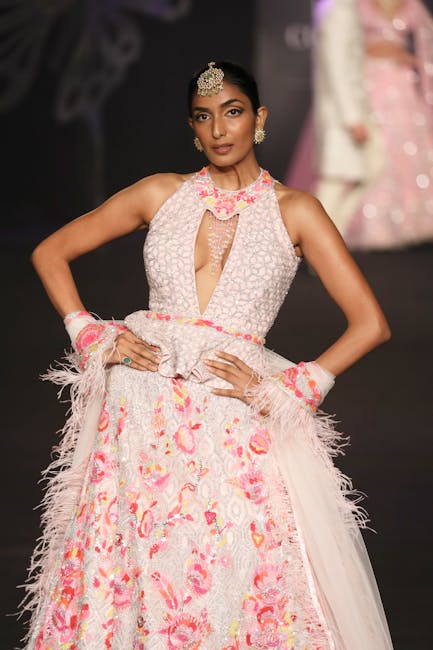
The 2025 HBCW showcased a diverse range of bridal ensembles, reflecting the rich cultural heritage of Pakistan while incorporating modern trends and innovative techniques. Designers experimented with various fabrics, embellishments, and silhouettes, resulting in a collection that catered to a wide spectrum of tastes. The emphasis on intricate embroidery and meticulous detailing remained a hallmark, but designers also incorporated bolder color palettes and more streamlined cuts.
Key Trends Observed at HBCW 2025
- Reimagining Traditional Silhouettes: Designers revisited classic silhouettes like the *lehnga choli* and *sharara*, adding modern twists through asymmetrical cuts, high slits, and innovative draping techniques.
- Embellishment Evolution: While traditional embroidery like *zardozi* and *gota patti* remained prominent, designers experimented with 3D embellishments, laser-cut detailing, and unconventional materials like crystals and metallic threads.
- Color Palette Expansion: Beyond the traditional reds and golds, designers incorporated a broader spectrum of colors, including pastel shades, jewel tones, and even bold, unconventional choices.
- Sustainable Practices: A growing number of designers showcased their commitment to sustainable fashion practices, utilizing eco-friendly fabrics and minimizing waste.
- Digital Influence: The event saw a strong digital presence, with live streams, social media engagement, and online sales generating considerable buzz.
Economic Impact and Industry Growth
The HBCW plays a significant role in Pakistan’s economy, boosting employment within the fashion and related industries. The event generates revenue through ticket sales, sponsorships, media coverage, and the promotion of designer brands. In 2025, preliminary estimates suggest a notable increase in revenue compared to previous years, driven by both domestic and international interest. This economic impact extends beyond the immediate event, fostering growth in associated sectors like textile manufacturing, jewelry production, and event management.
International Recognition and Brand Building
The HBCW has become a significant event on the international fashion calendar, attracting media attention from across the globe and showcasing the talent of Pakistani designers to a broader audience. This international exposure provides opportunities for Pakistani designers to build their brands, secure collaborations, and expand their market reach beyond the domestic sphere. In 2025, several international publications and fashion influencers attended the event, further boosting its global profile.
Challenges and Future Prospects
Despite the success of the HBCW, the Pakistani fashion industry faces ongoing challenges. These include maintaining consistent quality standards, addressing supply chain issues, and navigating the complexities of international trade. The industry’s dependence on imported materials also presents a vulnerability to fluctuations in global markets. However, with its growing international recognition and increasing focus on sustainable practices, the Pakistani fashion industry shows immense potential for continued growth and success in the coming years.
Overcoming Challenges: Strategies for Growth
- Strengthening Supply Chains: Investment in local textile production and improved supply chain management can reduce reliance on imports and enhance efficiency.
- Promoting Sustainable Practices: Adopting eco-friendly methods and emphasizing ethical sourcing can attract environmentally conscious consumers and improve brand image.
- Investing in Skills Development: Continued investment in education and training programs for designers and artisans is crucial for maintaining high standards of craftsmanship.
- Leveraging Digital Platforms: Utilizing digital marketing and e-commerce platforms can enhance market reach and access a wider customer base.
- Government Support: Government policies promoting the fashion industry through tax incentives, export promotion, and infrastructure development can further boost its growth.
Conclusion: A Glimmering Future for Pakistani Fashion
The 2025 HUM Bridal Couture Week served as a vibrant testament to the creativity and resilience of Pakistan’s fashion industry. While challenges remain, the event demonstrated the industry’s capacity for innovation, its growing international recognition, and its substantial economic impact. By addressing existing challenges and capitalizing on emerging opportunities, the Pakistani fashion industry is well-positioned to flourish on a global scale in the years to come, continuing to weave together tradition and modernity in its stunning creations.
